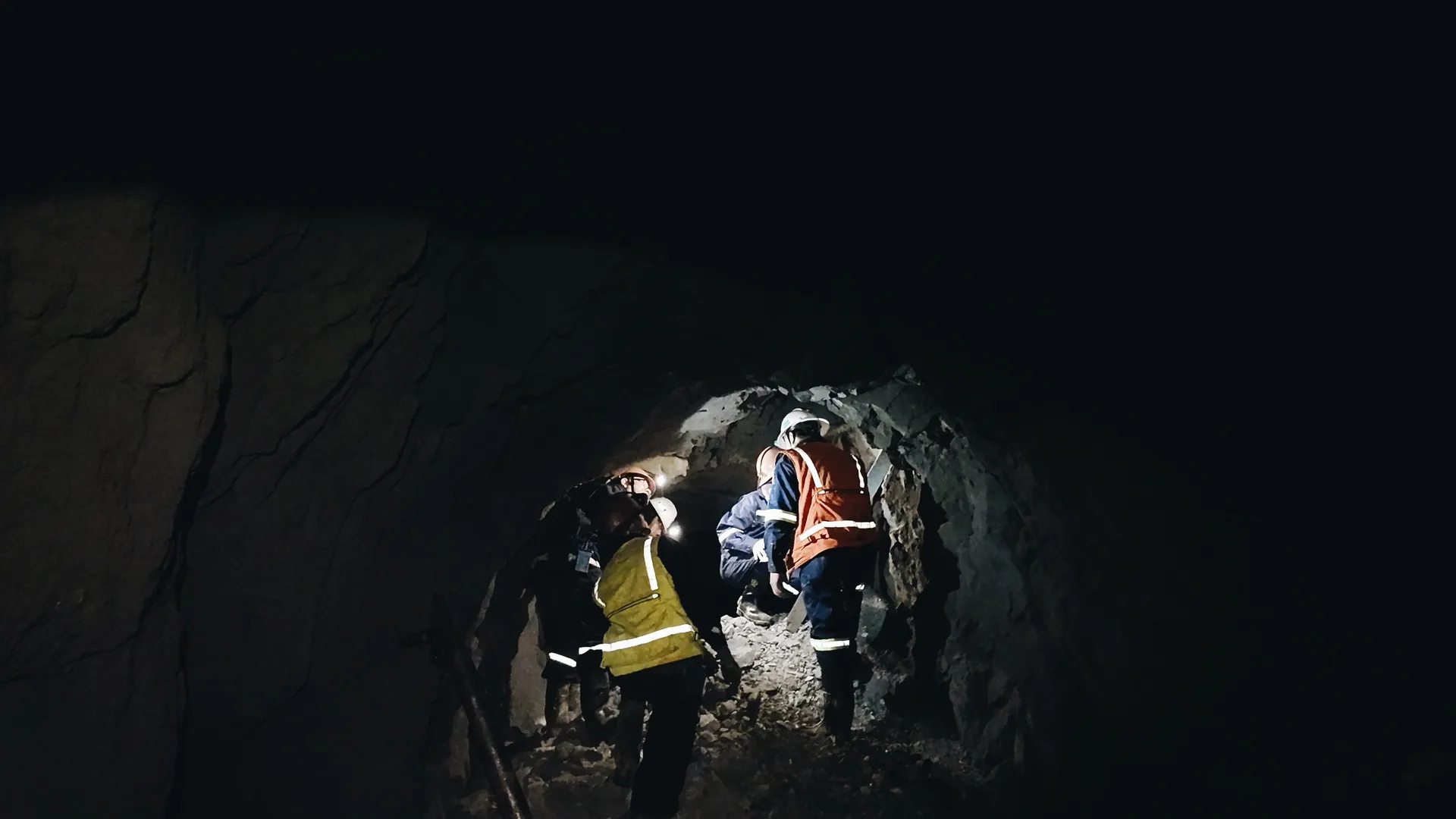
Image of workers in a mine

The Fair Work Monitor on mining

Metals such as nickel and copper are essential to the global energy transition. As a result, demand has increased significantly, yet mine workers have seen little to no benefit. We conducted Fair Work Monitor surveys in Colombia’s coal sector and in the metallurgical sector in Bolivia and Peru. Common themes that came up included exposure to particulate matter, extreme temperatures and noise.

Mining remains one of the most hazardous industries. In our survey, we have asked whether workers have witnessed accidents at work. In Colombia, 86% of workers has answered that they have. Over half of them have reported to have witnessed accidents that were disabling or fatal.

Additionally, dust and noise exposure remain serious health concerns for mine workers across all stages of production. In our Colombian study, over 97 % of workers rated their exposure to dust and particulate matter as high to unbearable. Noise exposure is equally alarming: 95 % of workers in Colombia indicated high to unbearable levels.

Mining companies often lag in providing adequate training in occupational health and safety regulations, prioritising profit over workers' wellbeing. Limited resources, poor process standardisation, and the lack of OHS focus leave many safety risks unresolved in the mines.

Mining

A just transition

In the midst of the global energy transition, demand for critical minerals is soaring due to the rapid growth of electric vehicles, wind turbines and solar panels. At the same time, demand for coal is steadily declining, creating additional pressure on mining communities that rely on coal production. This shift places immense strain on mining operations in countries like Colombia and Peru, where labour rights abuses are increasingly documented by CNV Internationaal’s Fair Work Monitor.

The Fair Work Monitor is a pioneering digital tool that enables local unions to collect anonymous data from miners on issues such as occupational safety, wages and union rights, and to amplify their voices within international supply chains. By making violations visible and informing human rights due diligence (HRDD), the Monitor helps companies identify risks and promote ethical sourcing, ensuring the energy transition does not come at the expense of the workers who extract its essential raw materials.

Next Steps

Our research has highlighted a complex issue: although union presence is high, union membership remains low. As a result, unions do not yet fully represent the perspectives of all workers. We are planning to include voices from non-unionised workplaces in future surveys.

The results underscore the vulnerability of miners and the urgent need to safeguard labour rights, particularly as mineral demand grows with the energy transition. Moving forward, we aim to strengthen our participatory digital monitoring and develop collective action plans for zinc and tin. We also hope to advance a collective bargaining agreement in Colombia. These are steps forward towards more equitable and inclusive labour relations in Latin America.

Work with us

Want to identify and address risks in your supply chain? We can help!