New report from the Just Work Observatory reveals gaps toward a living wage in Colombia’s sugarcane

More than 1,500 workers in Colombia’s sugarcane sector participated in the Just Work Observatory, where, through Participatory Digital Monitoring, it was possible to analyze wage and working conditions in one of the country’s most important agro-industrial value chains.

The results are presented in the report “Building a Path Toward a Living Wage in Colombia’s Sugarcane Sector,” developed through a joint process between the National Union of Agricultural Industry Workers (SINTRAINAGRO) and CNV Internationaal’s Just Work Observatory.

The report compiles information provided directly by 1,527 workers from the departments of Valle del Cauca, Cauca, Risaralda, and Caldas, who voluntarily participated in a digital monitoring process that made it possible to characterize their working conditions, income levels, and the challenges they face in ensuring decent living conditions for their families.

Download the report here

Building a path towards a Living Wage in the Sugar Cane sector in Colombia

What do workers’ voices say?

The monitoring was conducted using a participatory action research approach, in which workers’ experiences were combined with the technical analysis of data collected through an anonymous digital survey.

More than a data collection exercise, this methodology seeks to strengthen workers’ organizations’ capacity to analyze their own labor realities and generate evidence that contributes to social dialogue and collective bargaining processes.

The high level of participation in the monitoring—equivalent to nearly 30% of SINTRAINAGRO union members—made it possible to build a solid and representative database on wage conditions in the sector.

A persistent gap in relation to a living wage

One of the report’s key findings is the gap between workers’ current income and the income level required to guarantee a living wage.

The results show that the median basic monthly salary stands at around COP 1,600,000 (Colombian pesos), a figure that is insufficient to reach the estimated living wage in the territories analyzed.

In fact, only 10% of participating workers earn above this threshold, highlighting a significant wage gap within the sector.

In many cases, workers depend on overtime, night shift bonuses, or work on holidays to increase their income and get closer to a salary level that can cover basic household needs. However, this additional income is not always guaranteed for all workers.
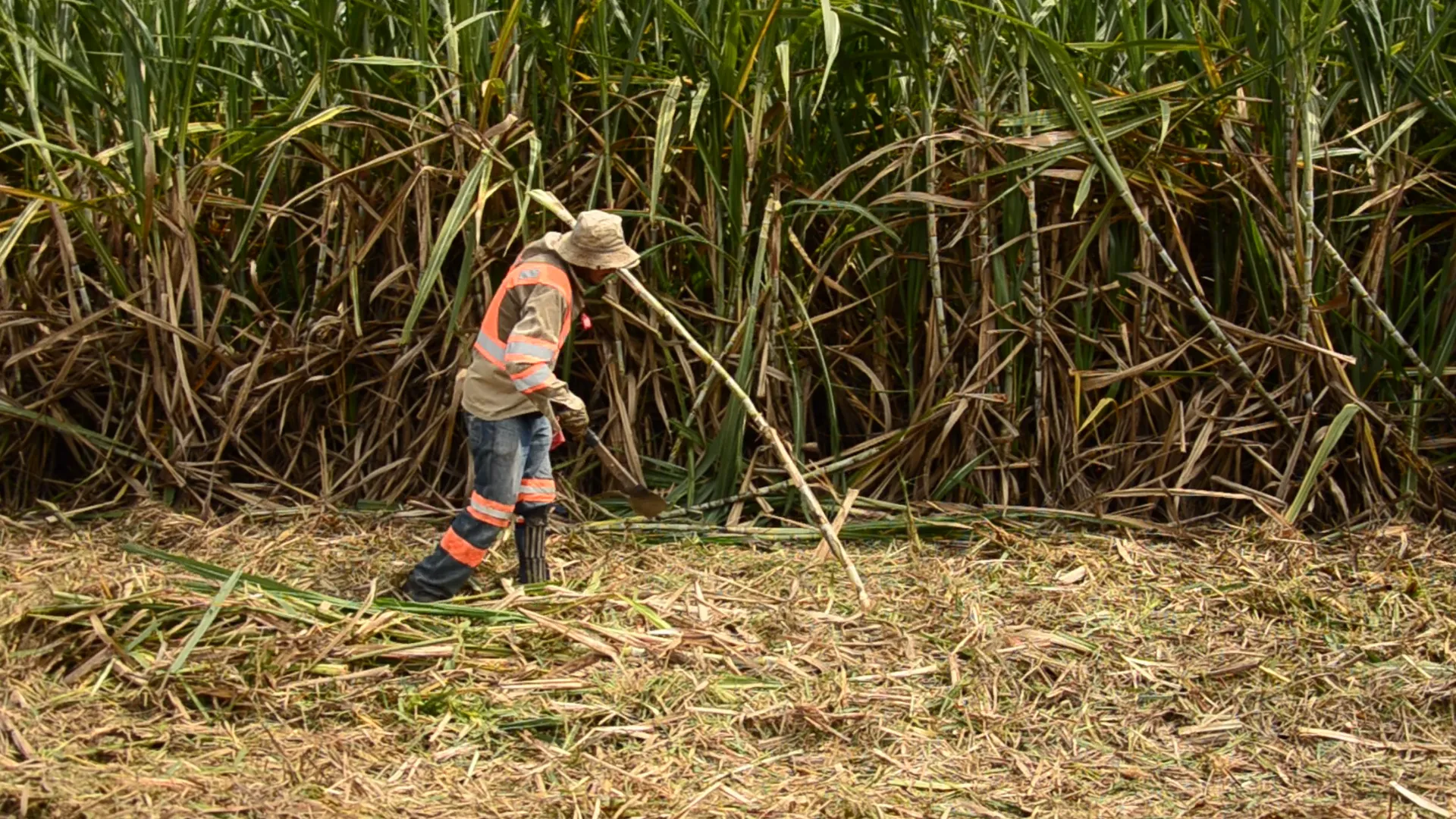
Inequalities and the most vulnerable groups

The report also shows that wage gaps do not affect all workers equally.

Among the groups facing greater vulnerability are:

  • Indirect or subcontracted workers
  • Workers paid on a daily wage basis
  • Women workers
  • Young people entering the sector

These inequalities translate into greater difficulties in securing adequate access to basic services such as food, healthcare, and housing.

A sector facing future challenges

The study also highlights other structural challenges facing Colombia’s sugarcane sector.

These include an aging workforce, a lack of generational renewal, and the impacts that mechanization and automation of crops may have on employment and the organization of work.

These factors reinforce the importance of advancing toward fairer working conditions and wages that can attract and retain new generations of workers in the sector.

An input to strengthen social dialogue

Beyond the diagnosis, the report aims to provide evidence to strengthen collective bargaining processes and promote the living wage as a central pillar of social dialogue in the sugarcane sector.

Data produced directly by workers constitutes a key input for advancing more informed discussions on wages, working conditions, and the future of work in the sugarcane agroindustry.