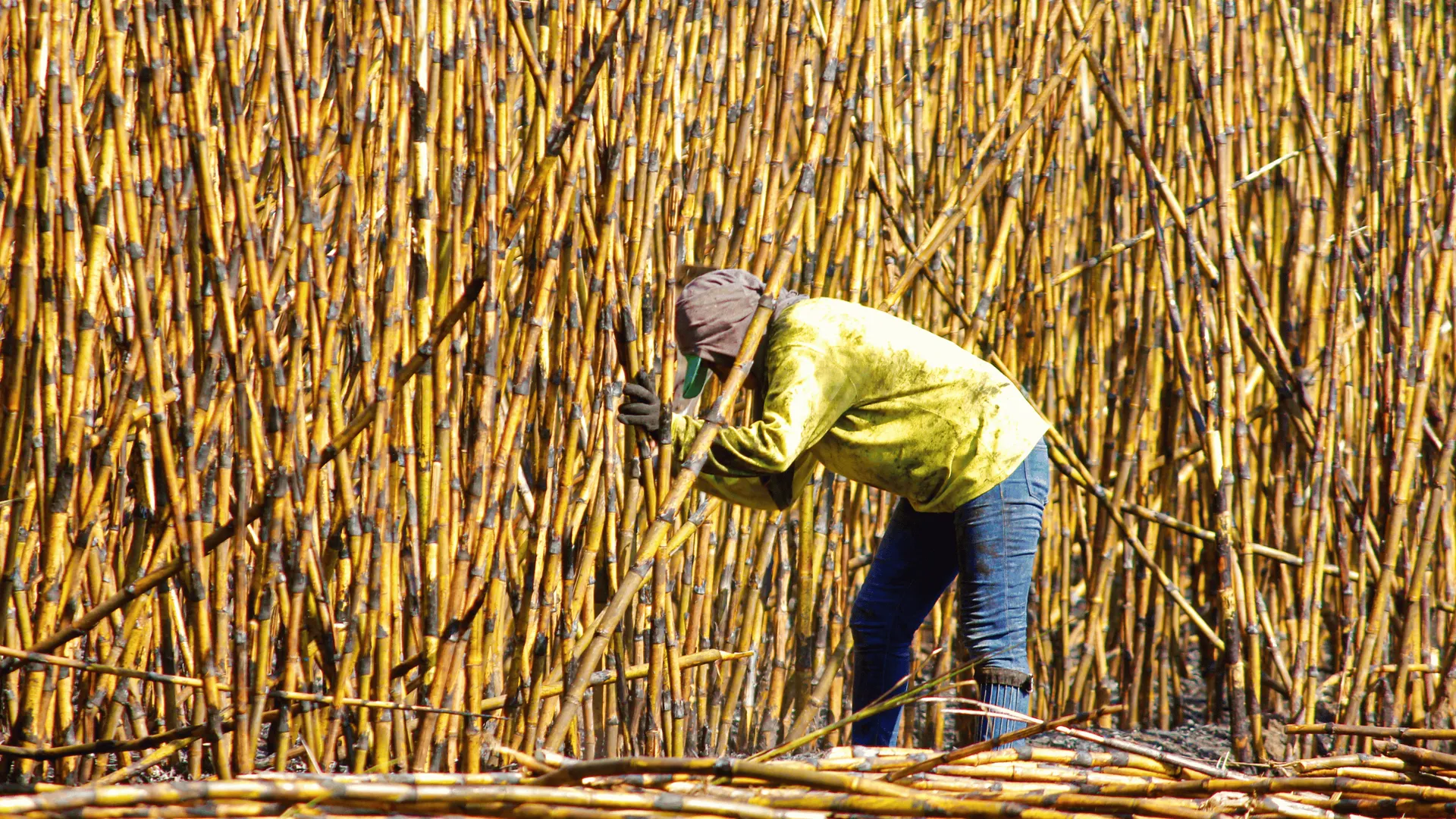
Sugarcane worker

Fair Work Monitor reveals major living wage gaps in sugarcane industry

A wake up call for companies to strengthen due diligence in their supply chains

Sugarcane accounts for more than 85% of the global sugar supply. Unfortunately the people who cultivate, harvest, and process this vital crop have to endure extremely long days under challenging conditions. Despite the increased profits  in the sugar and food sectors, alarming numbers of sugar workers earn below living wage. They live in poverty, unable to meet basic needs for food, housing, and healthcare.

Findings from CNV Internationaal's Fair Work Monitor realized in 6 Latin American countries, reveal a troubling and persistent living wage gap, among agricultural workers but also among people in industrial jobs. This highlights the urgent need for fair compensation for people working in the sugarcane production.

CNV Internationaal has published the latest findings of the Fair Work Monitor in collaboration with IDH and the Anker Research Institute. The monitor is based on direct input from workers in the sugar sector, collected together with local trade unions, during the harvest period in 6 Latin American countries.

These findings are a critical wake-up call for international companies to act responsibly and ensure fair, sustainable working conditions not only through internal measures, but also by supporting collective solutions such as social dialogue and sectoral agreements. The workforce producing sugarcane for the world's food and beverage supply are an indispensable part of the supply chain.

Maurice van Beers - Fair Work Monitor Programme Lead, CNV Internationaal

Wake up call to act responsibly

General tendencies show companies increasingly outsource their labour force not only to reduce costs, but also to shift responsibility. Profits in the sugar and food sectors continue to rise. Nevertheless, sugarcane workers still appear to earn far from a living wage. Maurice van Beers, CNV Internationaal's Fair Work Monitor Programme Lead,  underlines: "A living wage is necessary to meet basic needs of workers. It’s also necessary for a strong sustainable food supply chain."

Closing this gap towards a living wage would greatly improve the quality of life of people producing sugarcane . Better wages would enable them to buy sufficient food, afford decent housing and provide a stable future for their families.

The lack of living wages is also related with other labour rights violations like: 

  • forced labour
  • child labour
  • bad OHS conditions

We are convinced that - with collaboration of all parties in the supply chain, it is possible to improve the conditions within the sugar supply chain. 

As CNV Internationaal we are specifically calling on European – but also US  companies that do business in Europe - to drive this change, as they will have to deal with upcoming EU- HRDD legislation.

How companies can drive change

European and North American markets are the main outlets for sugar from Latin America. International companies in the sugar therefore have the key to drive positive change. They can choose to work with responsible suppliers and demand fair wages within their supply chain. 

“We know this is not easy to realize by companies alone", says CNV Internationaal's Maurice van Beers. “That's why we have developed our Fair Impact Programme." It offers companies various possibilities to collaborate and take the necessary steps towards a fair and sustainable food supply chain." 

In this programme, CNV Internationaal provides companies with the tools to go beyond compliance and create impact in their supply chains. 

From identifying risks to facilitating stakeholder engagement, this programme guides companies to fair work throughout their supply chain.