Metals Agreement’s Collective Project in Bolivia and Peru to Improve Mining Condition

Addressing Health, Safety, and Labor Risks in Andean Mines

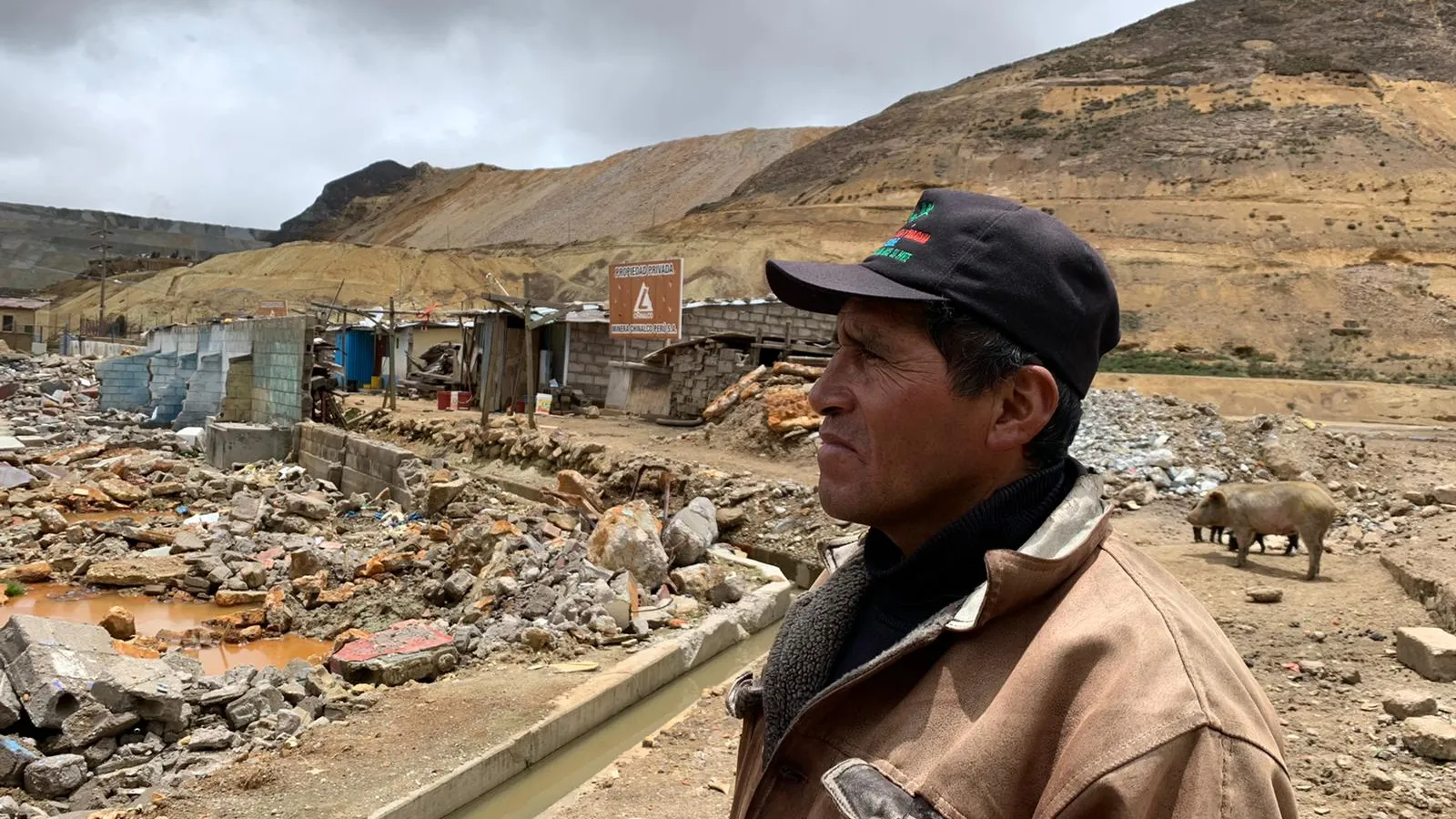
The IRBC Agreement for the metals sector commences a collective project to address labour rights violations and health and safety risks in the mining industry in Bolivia and Peru. Project leader CNV Internationaal works on this together with Tata Steel Nederland and Wuppermann Staal Nederland.

About the project

The collective project 'Improving Occupational Health & Safety @ work in Andean mines' aims to identify and address specific risks in the metal value chain, such as accidents, injuries, work-related illnesses, permanent disabilities, exposure to hazardous chemicals and worker deaths.

The project consists of two phases. Phase 1 focuses on impact assessment: what RBC risks occur in the chain? What are the underlying causes? How do the companies involved interact with each other? The goal of phase 2 is to structurally embed due diligence measures that address CSR risks among member companies.

“With this project, we hope to reach 10,000 workers in the metal chain. We are getting help from several trade union partners and country representatives in Latin America with whom our local team is working closely.”

Maurice van Beers, CNV Internationaal

Learning from experience

Although the project takes place in countries with a specific context, the project partners expect the lessons learned to be applicable on a large scale in the metal supply chain. "The insights we gain from this project and the methodologies we develop for it are not only valuable for us and for our suppliers. Other companies in the agreement can also learn from it," said Karsten Pronk, Managing Director at Wuppermann Staal.

Due Diligence Risk Matrix

Parties to the International RBC Agreement for the Metals Sector developed a new tool: the Due Diligence Risk Matrix. It provides an overview of the risks for 39 main raw materials within the metals sector.

The Risk Matrix can be used during step 2 of the OECD Due Diligence process by all companies that work with metals and minerals in their value chains. The Matrix provides insight into the key risks that may occur in value chains. It also shows the probability of these risks per product and per production country. Countries have been selected on the basis of their (potential) production capacity of a raw material.