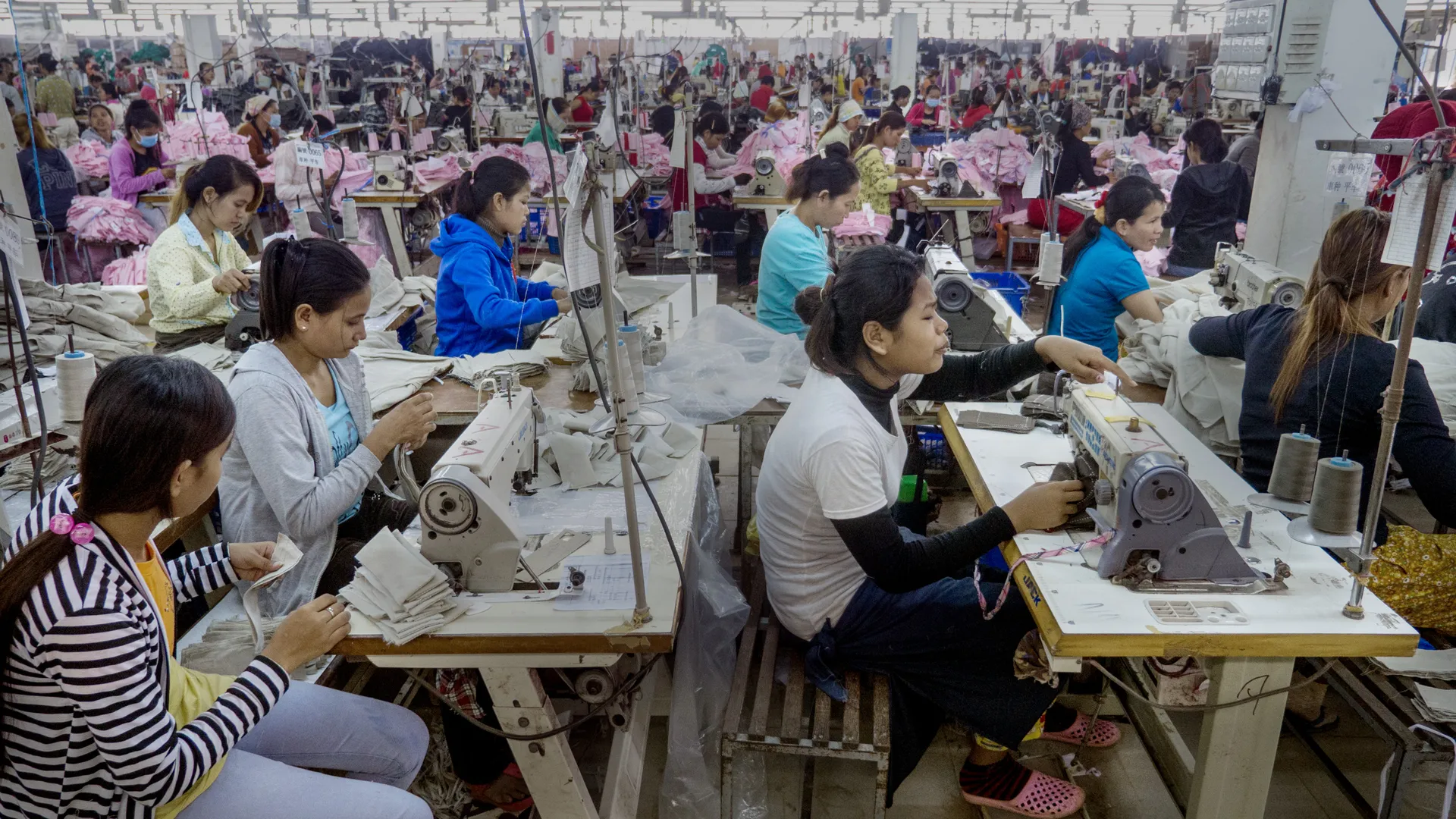
The results show that the situation for workers has deteriorated since the pilot study in 2022. While inflation has caused their monthly expenses to rise dramatically, salaries have decreased. As a result, more and more people are having to take out loans in order to make ends meet, even to cover the most basic costs of daily living. Unions in Cambodia are currently negotiating with the government and employers about the minimum wage for 2024.
However, the Fair Work Monitor’s startling results give us more than enough reason to request greater attention be paid to these garment workers and their circumstances. We expect clothing brands to seriously look at the results and do everything in their power to help improve the situation so that garment workers in Cambodia can live a dignified life.
Recommendations
Therefore, CNV Internationaal and our Cambodian partner unions would like to make some recommendations on how living conditions for the garment workers can be improved.
- The importance of social dialogue
It is important that employers, the Cambodian government and unions have social dialogue about improving working conditions and wages in the garment industry. This is vital for the industry to sustain and remain competitive for the long term.
- The role of brands
The national government, employers, and unions have a pivotal role in creating good working conditions and decent wages in the Cambodian garment industry. But they can’t do this alone. Clothing brands and international governments are extremely important and must take responsibility for their actions and practices.
Brands can help in the following ways by:
- Raising purchase prices so workers can be paid higher (minimum) wages
- Creating long-term stable business relationships with the factories they source from
- Improving the payment terms towards the factories they source from
- Working with other brands and initiatives in the chain in order to realise living wages as soon as possible.
The role of Dutch and European governments
The government of the Netherlands, the EU and beyond have an important role when it comes to establishing ambitious and effective legislation around international corporate social responsibility. Living wages and union rights must be firmly incorporated into such legislation.


