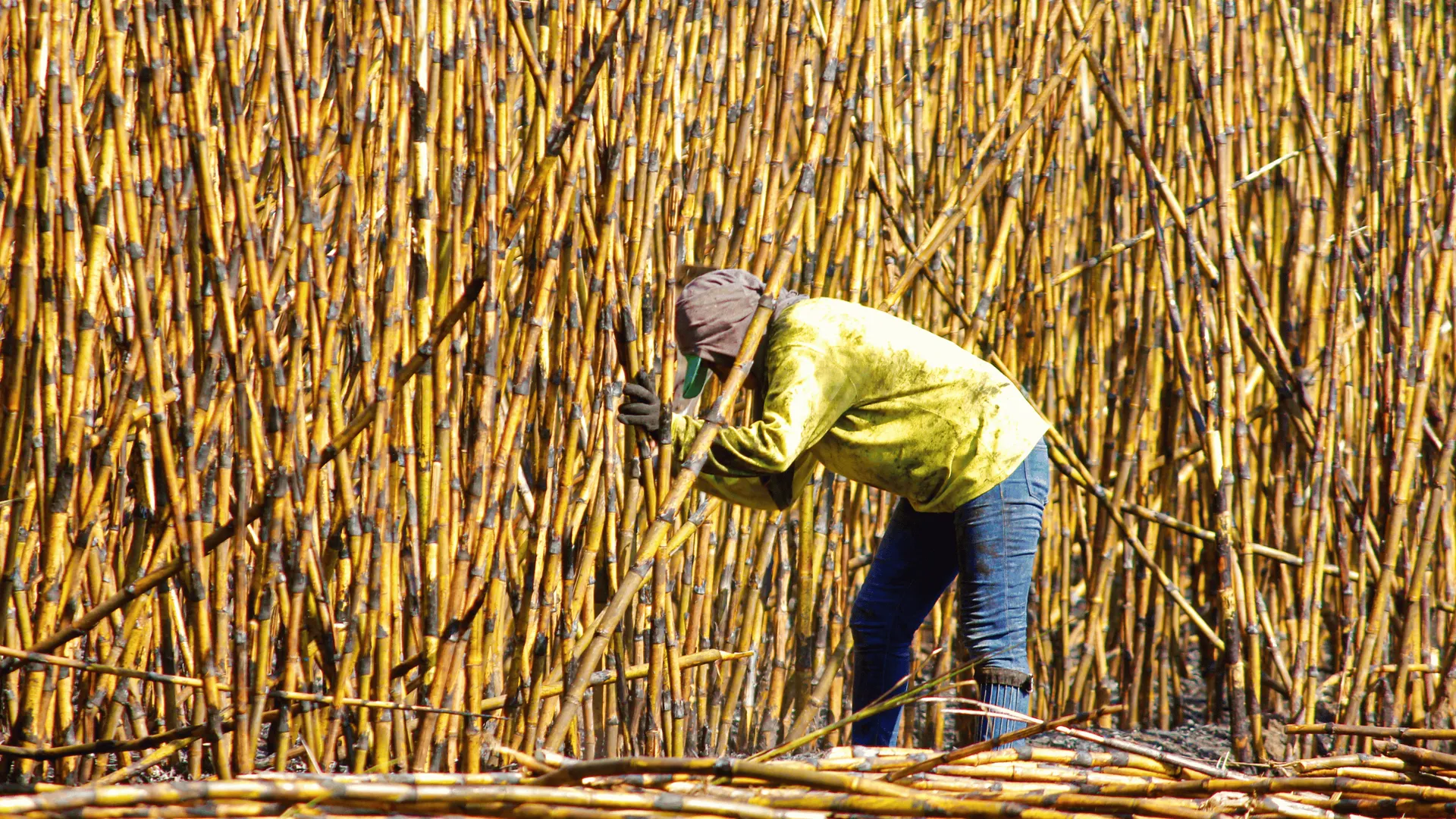
Sugarcane worker

The Fair Work Monitor on sugarcane

Sugarcane accounts for more than 85% of the global sugar supply. The people who cultivate, harvest, and process sugarcane have to endure extremely long days under challenging conditions. The majority of the workers does not earn a living wage.

CNV Internationaal surveyed 1884 workers in the sugarcane sector in six countries in Latin America in collaboration with IDH and the Anker Research Institute. The monitor is based on direct input from workers in the sugar sector, collected together with local trade unions.

All data is accessible in our dashboard

Especially agricultural workers (who work in the field) earn wages that are below the living wage standard. In Colombia, for example, 96 percent of agricultural workers do not earn a living wage, compared to 63 percent of industrial workers (in mills). Across the countries included in the study, the share of industrial workers earning below a living wage varies widely.

Our survey shows a clear link between earning a living wage and reduced levels of health, food, and housing insecurity. Workers who fall short of a living wage face significantly higher insecurity than those who do earn enough to meet their basic needs.

These findings show the urgent need to work towards living wages for all workers and that real progress can be possible. It is essential that workers have a strong voice in wage discussions to accurately identify wage gaps and support fair negotiations.

Improving labour rights in the sugarcane supply chain

In the sugarcane sector, CNV Internationaal uses the Fair Work Monitor to collect anonymous data from workers on wages, working hours and labour conditions. This data enables unions to negotiate directly with employers and industry actors based on verified worker experiences. Together with companies, we use these insights to promote the implementation of living wages in supply chains: helping businesses meet their due diligence obligations while improving conditions for the workers who power the sugar industry.

Next steps

Our ultimate goal is to ensure that all workers earn a living wage. While this is a long-term objective, helping the lowest-paid workers first can guide better strategies and reduce risks. Different stakeholders have different roles in this process. Unions can make sure that extra pay and benefits reach tthe workers who need them the most, while companies can raise wages for vulnerable workers.

Transparency in supply chains is vital for fairness and progress. Producers, traders and consumers all have a role in finding solutions and working together can create fair conditions where dialogue and collective bargaining grow.

The Fair Work Monitor on sugarcane

Read our full report on sugarcane in Latin America

Work with us

Want to identify and address risks in your supply chain? We can help!