Peru: Mining union wins the fight for trade union freedom

Court dismisses Glencore’s appeal

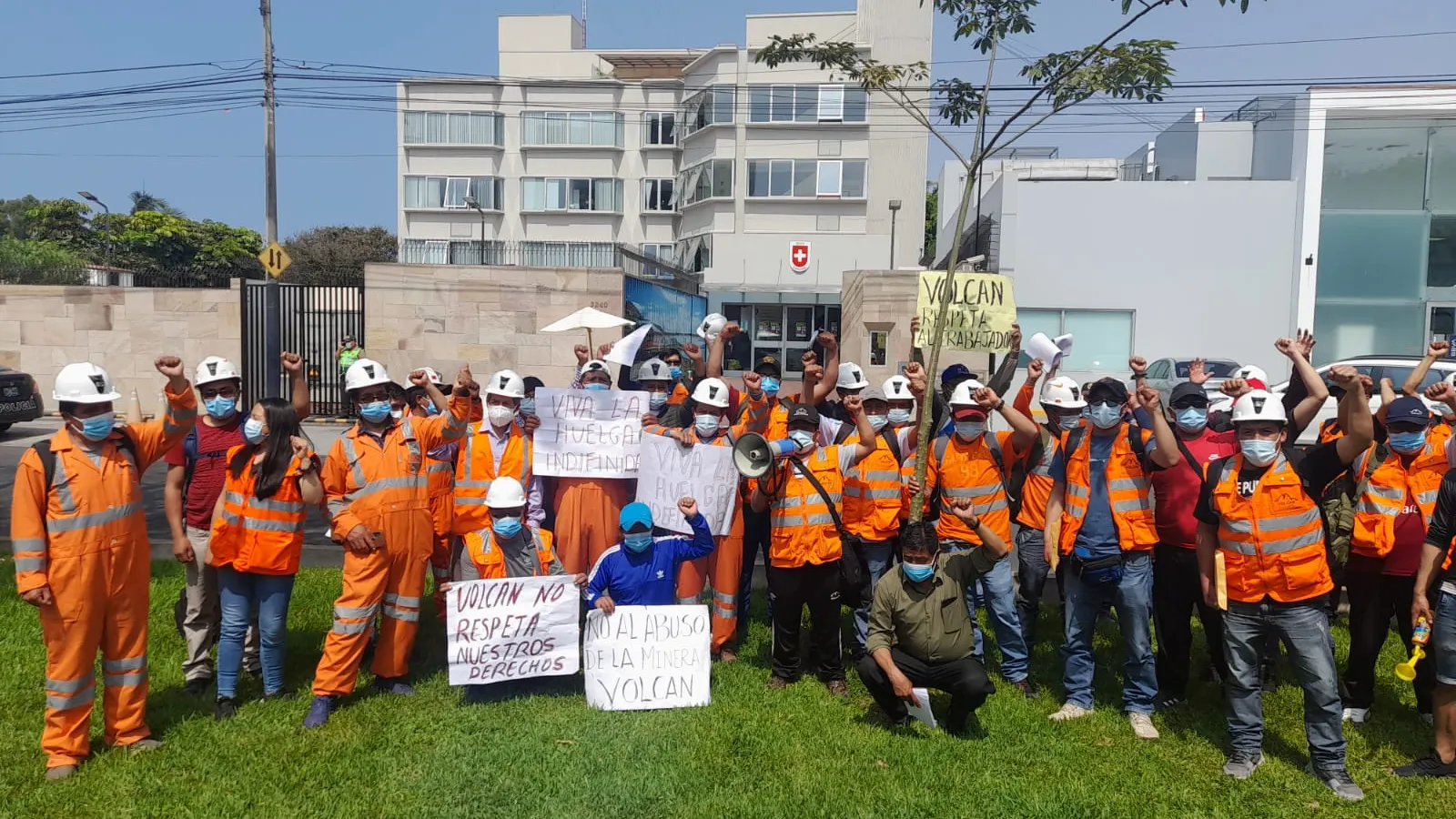
In a landmark ruling, a Peruvian court has dismissed Glencore’s appeal. Volcan, the Peruvian mining company owned by Glencore, must cease its interference with the freedom of association and collective bargaining by 28 October 2023 at the latest. The company, which operates the Andaychagua mine high in the Andes, must comply with the ruling granting the mine’s trade union the right to negotiate collective agreements on behalf of the miners.

The mine is important for the extraction of minerals such as silver and zinc, essential and scarce raw materials for the global energy transition.

Urgent need for safety measures

Trade union leader Alex Tinoco welcomes the court ruling, which highlights the urgent need for better ventilation and protective equipment for miners. “Workers face extremely harsh working conditions when they are working thousands of metres deep in the mines. Temperatures can reach 40 degrees Celsius and ventilation is often poor. This poses a major risk to our health and safety, particularly as we are using more and more toxic chemicals,” says Tinoco. “This court ruling finally forces Volcan to come to the negotiating table to discuss a new collective agreement.”

Background

The union’s struggle began in 2021, when the permanent employees at the Andaychagua mine attempted to open their union to colleagues employed through temporary staffing agencies. They filed a request to negotiate a new collective bargaining agreement, with the goal of securing better working conditions for both permanent and temporary workers. However, Volcan refused to negotiate, and parent company Glencore actively opposed the union’s efforts. The Peruvian government, however, had already confirmed the union’s right to negotiate in January 2022. Unfortunately, Volcan-Glencore continued to refuse to engage in dialogue, prompting the union to go on strike around Christmas 2022. The strike ultimately lasted 60 days. During the strike, two miners were fired.
A broader struggle: The complaint to the EU

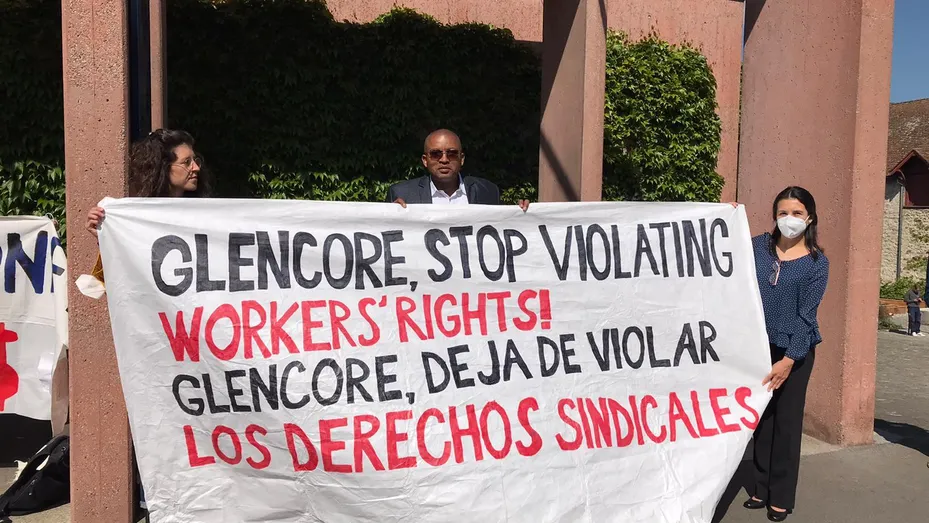
The Peruvian law on outsourcing, which has been in force since 2008, is intended to reduce costs and improve the competitiveness of Peruvian industry. However, more than 70 per cent of miners in the metals sector are now temporary agency workers, who have to renew their contracts every few months. These agency workers are excluded from the company’s terms and conditions of employment and work under considerably worse conditions than permanent staff. It is clear that companies continue to refuse to take responsibility for safeguarding the labour rights of outsourced workers.

The problem with outsourcing

The Peruvian outsourcing law, which has been in force since 2008, is intended to reduce costs and improve the competitiveness of Peruvian industry. More than 70 per cent of miners in the metallurgical sector are currently temporary agency workers, who have to renew their contracts every few months.

These agency workers are excluded from the company’s employment safeguards and work under significantly worse conditions than permanent staff. It is clear that companies continue to refuse to take responsibility for ensuring proper rights for outsourced workers.

Glencore’s responsibility

Despite Glencore’s public claims regarding compliance with international labour standards and human rights, the miners and their trade unions report that, to date, the company has shifted the actual responsibility for working conditions onto its subcontractors. This practice undermines the enforcement of decent working conditions and labour rights for subcontracted workers.

Human rights concerns

Contract miners face harsh working conditions, such as extreme heat, poor ventilation and inadequate protective equipment. They work long shifts of 14 or 21 days in remote areas high in the Andes, without decent sleeping quarters. Their short-term, precarious contracts make it extremely difficult to organise trade unions.

‘Workers face extreme pressure when they work thousands of metres underground in the mines. Temperatures can reach 40 degrees Celsius and ventilation is often poor, whilst we are using more and more toxic chemicals’

- Alex Tinoco, trade union leader

In recent years, major investors, such as the Dutch pension fund ABP, have responded to human rights issues by adjusting their investment policies. On 15 October 2021, ABP announced that, due to these issues, it had decided to divest its holdings in Glencore.

This court ruling is a significant victory for workers in the Peruvian mining sector. Not only does it give the miners in Andaychagua greater power, but it also sets an example for workers employed through agency arrangements in industries across the world.