Horticulture

Working conditions and challenges in the horticultural sector

The horticultural sector is of great importance to our economies and to our food supply. At the same time, this labour-intensive sector in West African countries such as Senegal faces major challenges, including low wages, unsafe working conditions, inequality, a lack of legal protection and exploitation. Workers are in a vulnerable position because they mostly work in the informal sector, often without a permanent contract. This makes it particularly difficult for them – and for trade unions – to stand up for their rights.

What is happening?

In Senegal, horticulture is not only important for exports. The sector also provides a livelihood for 0.5 million workers.

Work in horticulture is physically demanding. Furthermore, there are health risks associated with the use of pesticides. This type of work therefore requires adequate protective equipment and safety measures for the workers.

Global food security must not come at the expense of violating fundamental human rights, such as health, safety and a living wage.

In the Netherlands, there is a well-established regulatory framework in this area. We have built up a wealth of knowledge and experience. This is not only good for workers’ safety and the protection of the environment, but also for our food safety.

As part of the aid and trade initiative of the Dutch Ministry of Foreign Affairs, Senegal has been identified as a priority ‘combi’ country.

The Netherlands has therefore designated horticulture as a key sector for promoting sustainable development, fair working conditions and improving food security.

Promoting Decent Work in the Horticulture Sector in Senegal

The economic and social impact of decent work in the Senegalese horticultural sector In Senegal

In Senegal, horticulture is not only a major export commodity, but also provides a livelihood for 0.5 million workers.

Key crops such as onions, tomatoes, green beans, mangoes and cashew nuts are mainly grown in three major regions: the Senegal River Valley, Casamance and Niayes.

Together, these five sub-sectors account for 40 per cent of horticultural production in Senegal. Improving decent working conditions in these sub-sectors will have a significant economic and social impact, benefiting workers, their families and their communities.

Challenges and problems in the Senegalese horticultural sector

Research
Webinar

Why?

To contribute to these objectives, CNV Internationaal, MEYS Emerging Markets Research and Nafifu SARL have carried out a qualitative study into decent work in the horticultural sector in Senegal. Specifically in the production of:

  • Onions
  • Tomatoes
  • Green beans
  • Mangoes
  • Cashew nuts

The study analysed working conditions and proposes actions to improve decent working practices in these sub-sectors, which account for 40 per cent of national horticultural production.

Research methodology

The research was carried out among more than 800 people between June and September 2024, using:

  • Semi-structured interviews with experts and key stakeholders.
  • Field studies carried out in three major horticultural regions involving 883 participants.
  • A review of available documents.

The group of participants also included 18 suppliers and 252 producers, traders and employees of small and medium-sized enterprises and large agricultural holdings.

Did you miss our research presentation?

Watch the full presentation and discussion about our new research, its conclusions and the next steps here.

Missed our webinar? - Decent Work in Horticulture – Female and Youth Workers in Senegal West-Africa Dialogue between employer and union representatives in horticulture in Senegal

Key findings

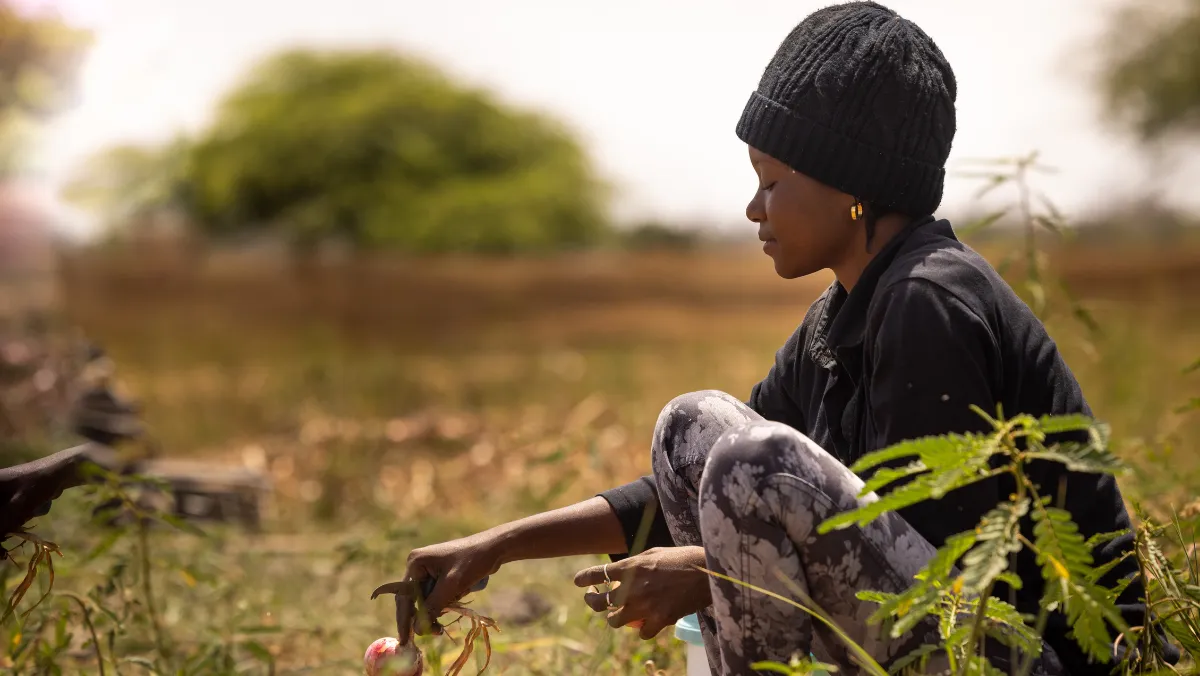
Young worker on the fields in horticulture West-Africa

Conclusion and recommendations

The study concludes that decent work is virtually non-existent in these five key sub-sectors. To safeguard the welfare of the 0.5 million workers in the horticultural sector, it is essential to:

  1. Improve working conditions
  2. Strengthen social dialogue between employers, trade unions, civil society organisations and development partners.

A joint approach is essential to promote decent work and sustainable development in this supply chain, which is vital to the Senegalese economy.

Our approach

Internationally, the OECD Guidelines for Responsible Business Conduct set the standard. The EU’s new CSRD and CSDD regulations are based on these principles, and the advantage of these regulations is that they create a level playing field from which everyone can benefit. The CSRD requires organisations to report on their impact on people and the environment, whilst the CSDD compels companies to take concrete action to mitigate negative effects.

A level playing field and clarity thanks to the new CSRD and CSDDD regulations

For businesses, these regulations provide much-needed clarity. Companies are expected to act with due care and responsibility in both environmental and social spheres, particularly when it comes to environmental and human rights issues. Some companies already have experience in this area, giving them a competitive advantage, whilst others are still working out how to implement these practices effectively within their supply chains.

Addressing and preventing labour rights violations requires the involvement of all actors in the supply chain. Fortunately, progress is already being made in this area, and CNV Internationaal has experience in this field.

The costs associated with reducing and preventing labour rights violations must be embedded throughout the supply chain. The market should adopt a ‘preferential’ approach, whereby companies that are actively working towards improvements are rewarded.

Our impact

Trade unions in the Netherlands have experience of working with companies and public authorities. They know how to tackle labour issues and develop solutions. CNV Internationaal is also active internationally and focuses on improving conditions for workers and promoting responsible business practices in the supply chains of the horticulture, palm oil and sugarcane sectors.

We do this through a supply chain approach, working closely with local trade union partners who, like CNV Internationaal, adopt a constructive stance. These partners have in-depth knowledge of the local context and extensive experience in working with vulnerable groups of workers, particularly women and young people new to the labour market.

Working towards solutions step by step

With our experience in sectors such as palm oil, sugar cane, textiles and mining, combined with our networks in Asia, Africa and Latin America, we are well placed to help Dutch companies meet the CSDD’s requirements.

Through social dialogue, we bring together relevant stakeholders to reach agreements on improving working conditions and ensuring fair wages. Good working conditions boost productivity and foster a sense of peace and well-being in the workplace.

This is a gradual, step-by-step process of working together to bring about improvements. By tackling these challenges together, we create opportunities for a win-win approach. Ultimately, everyone involved benefits from this.

Interested in working with us?

Are you involved in horticulture, working for a supplier or within the food supply chain? Please feel free to get in touch. We’d be happy to discuss the possibilities with you.

Get in touch

Francisca van Dusseldorp
Regiocoördinator Afrika
Marjolein Groenewegen
Programme Manager Africa