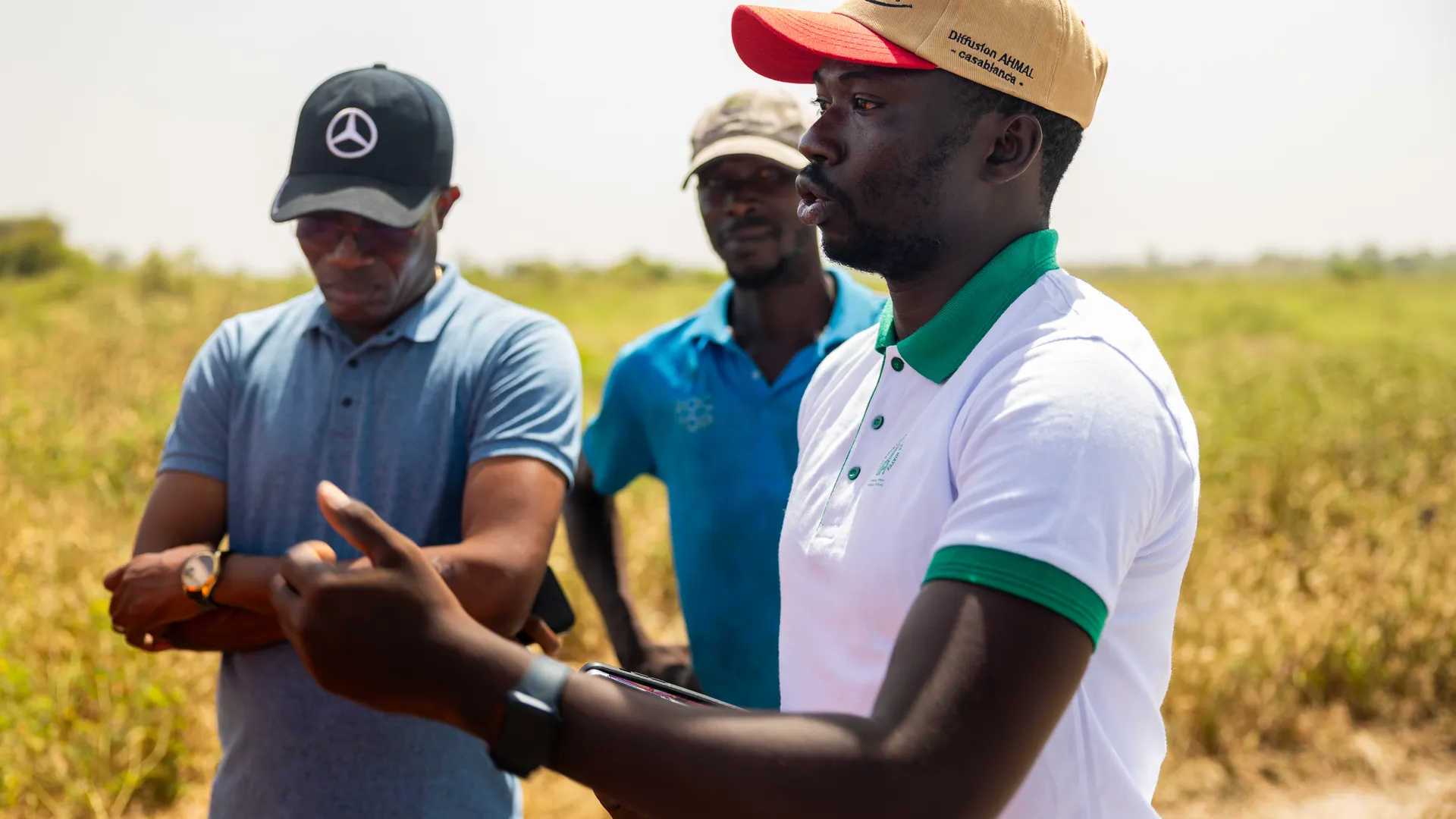
Talking about labour conditions in horticulture

Supporting effective implementation of European legislation

Kompas voor zorgvuldigheid en eerlijke werkpraktijken

CNV Internationaals' BOOST HRDD program supports the effective implementation of European Human Rights Due Diligence (HRDD) legislation, focusing on the EU Corporate Sustainability Due Diligence Directive (CSDDD).

Covering eight key production countries in Asia, Africa and the MENA-region, the BOOST HRDD program strengthens local stakeholder's capacities.

It gathers on-the-ground insights and connects those to companies and regulators. Furthermore, it fosters collaborative policymaking that ensures HRDD benefits all actors in global supply chains.

Opportunities of implementing HRDD legislation

Empowerment of key stakeholders in production countries

Meaningful stakeholder engagement will empower workers and help address key issues, strengthen capacity, and inform risk mitigation.

Good business case

Collaboration and strong standards can enhance reputation, partnerships, and market access, making responsible practices a competitive advantage.

More transparency

Clear reporting allows stakeholders to hold companies accountable and negotiate better conditions, while suppliers can demonstrate compliance, attract buyers, and secure long-term contracts.

No More Looking Away: Human Rights Due Diligence Legislation

The role of trade unions

Companies must be diligent in identifying, preventing and remedying risks and negative human rights and environmental impacts in their chains.

Trade unions have an important role to play in this.

CNV Internationaal supports companies and trade unions in implementing HREDD principles, with a focus on identifying risks of human rights violations, social dialogue and collective bargaining.

Implementation risks

  1. Chaotic implementation
    Without timely technical guidelines, everyone will have their own interpretation. This could create a confusing mix of rules, making it impossible to implement legislation properly.
  2. Conflicting influence of national context – loss of business
  3. Adverse impact on human rights and freedom of association
    National governments and authorities may repress organizations or rights holders that report on risks.
  4. Increase in power imbalance
    Companies are likely to have their own interpretation of legislation, which will translate into one-sided contractual clauses that put the burden on suppliers, or overburden local stakeholders.

Key recommendations

Provide cognizance

All stakeholders must be made aware of - and equipped - to conduct effective HRDD.

All stakeholders need to be included in the process and take an active role in implementation.

Provide clarity

A majority of key stakeholders across the supply chain requested the creation of local service points in production countries.

Local contact is important in order to establish trust, transparency, accessibility and visibility.

Provide certainty

Sector wide agreements and standardization will massively simplify the implementation of CSDDD.

BOOST HRDD

Opportunities, risks and recommandations (one-pager)

Bottom-up Outreach to Stakeholders in HRDD legislation

Recommendations from key stakeholders in production countries on CSDDD implementation.
Learn more about our Boost HRDD programme in this video
How to ensure positive change together

Learn more about our Boost HRDD programme in this video

Joint engagement is key

Implementing effective Human Right Due Diligenc requires collective action.

Whether you're an investor, business leader, policymaker, or trade union leader, our joint engament is crucial.

Implementing effective Human Right Due Diligenc requires collective action

For businesses

Contact us how to implement HRDD in practice.

For policymakers

Collaborate with us to ensure the effective implementation of HRDD legislation.

For trade unions

Join our efforts to raise awareness and drive change.

Wouter van Dis
Strategic Policy Advisor