Nickel in Indonesia

Essential for the energy transition – but at what cost?

Nickel is essential to the global energy transition. It is used in the production of stainless steel for wind turbines and batteries for electric vehicles. But behind this green promise lies a harsh reality: the nickel industry in Indonesia is characterised by inhumane working and living conditions and serious environmental damage. How can we ensure a fair and sustainable transition?

Indonesia’s role in the nickel supply chain

Indonesia has one of the largest nickel reserves in the world and accounts for almost half of global nickel production.

Since 2020, Indonesia has banned the export of raw nickel in order to boost local refining and battery production. But does this policy actually benefit local communities?

The largest nickel processing plants are located in Morowali, on Sulawesi, and cover a vast area of 20,000 square kilometres.

What is happening?

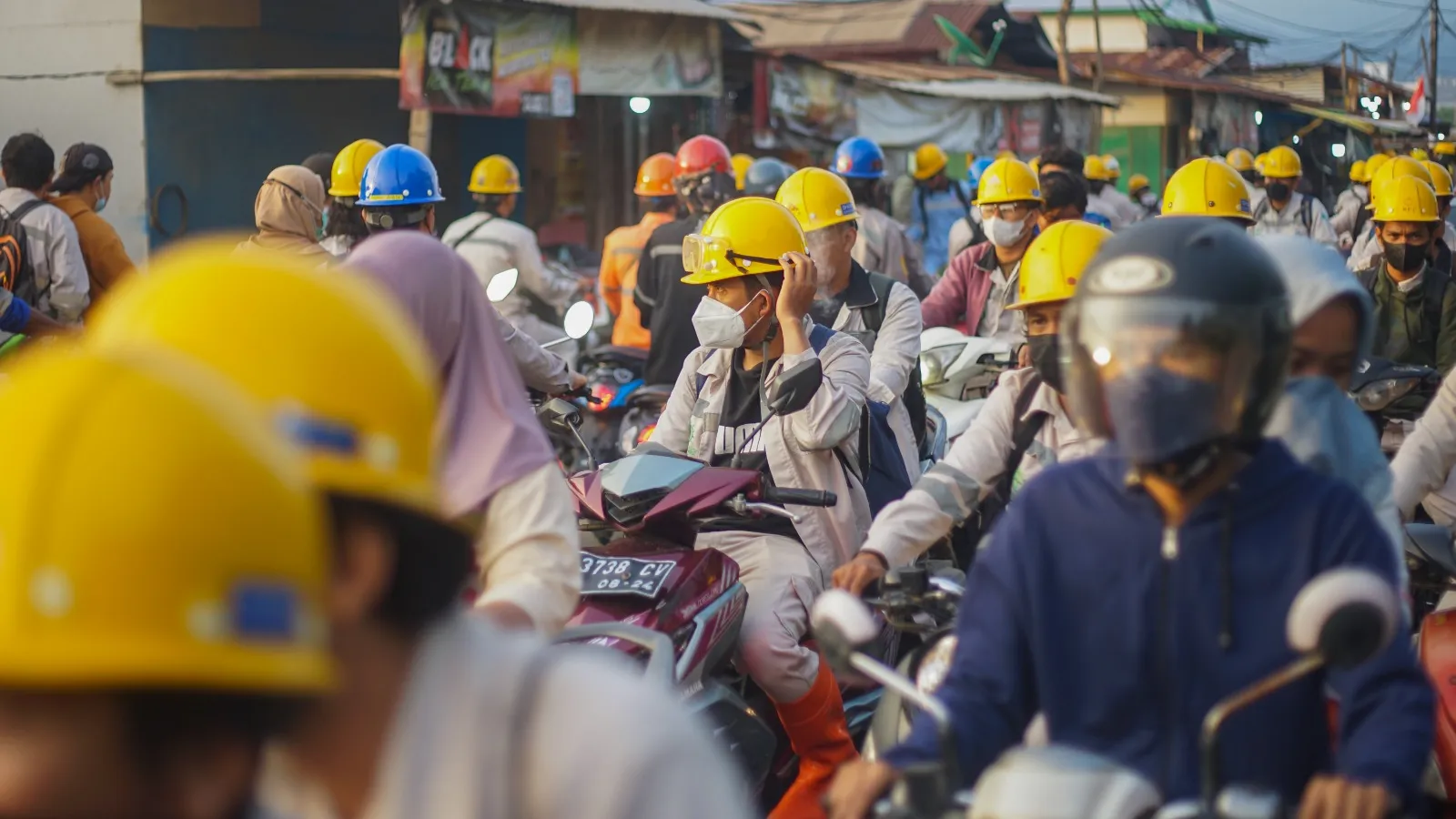
Morowali on Sulawesi is the epicentre of nickel production in Indonesia. Industrial estates have expanded rapidly, but basic infrastructure – waste management, sewerage, housing – lags far behind.

Workers face unsafe and unhealthy conditions and low wages, forcing them into excessive overtime, as is also evident from the risk assessment carried out by Profundo on behalf of CNV Internationaal.

Gender inequality: Who benefits?

Whilst the rapid growth of the nickel industry is certainly stimulating economic growth, at the same time gender inequality is actually increasing. New social and environmental vulnerabilities are emerging.

The gender analysis carried out by the SRI Institute on behalf of CNV Internationaal reveals how women and marginalised groups in this sector face a wide range of barriers.

By highlighting these inequalities, the research provides insights for developing measures that are inclusive and fair, and that address diverse needs.

Indonesia’s Nickel Industry Exposed: Labor Risks Behind the World’s Green Technologies

It looks like a disaster zone. Workers live in chicken-coop-like accommodation. Wages are so low that working overtime is the only way to survive.

Yunika Kurniyatiningsh, local coordinator for CNV Internationaal

Our approach

  • Social dialogue and collective bargaining: We are working with trade unions in the nickel industry in Indonesia to improve social dialogue between trade unions and management, with a view to better addressing key occupational risks and promoting inclusive industrial practices.
  • Fair Impact Programme: Through our Fair Impact Programme, we work with international companies sourcing nickel from Indonesia to make their supply chains more sustainable.
  • Sectoral cooperation: We are involved in the Dutch Agreement on Sustainable Energy and the new Metals Agreement

Together for change

European and global companies that source nickel have the influence to demand fair wages, safe working conditions and gender equality. CNV International’s Fair Impact Programme provides tools for risk assessment, stakeholder engagement and sustainable supply chains.

Fair Impact Programme for businesses

Strengthen your Human Rights Due Diligence (HRDD) with practical tools, training and support for fair and responsible value chains. Explore the opportunities for your business to make an impact.

Contact us

Get in touch

Margot Offerijns
Programme Officer Asia, based in the Netherlands