Promoting agriculture
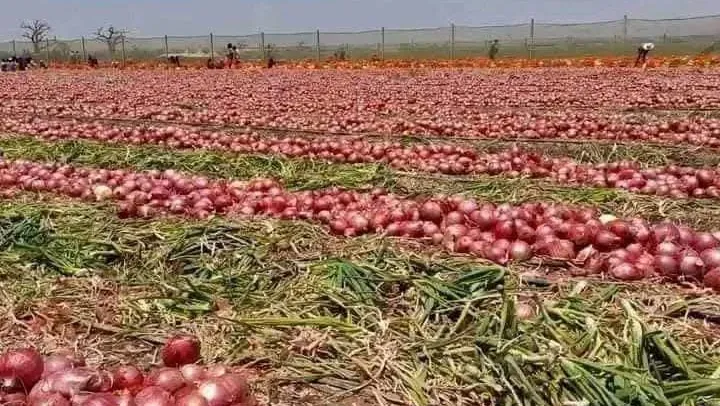
Niger, a Sahelian country three-quarters of which is desert, has succeeded in turning a natural constraint into an economic opportunity. Thanks to off-season crops grown for eight months of the year, the country has established itself as the region’s leading producer and exporter of vegetables, with gross horticultural production exceeding 5.8 million tonnes per year.
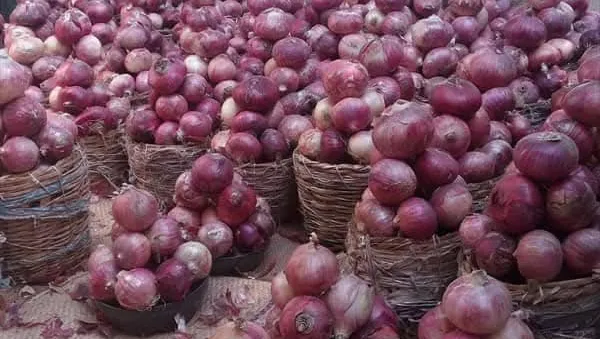
The Nigerien onion, whose ‘Violet de Galmi’ variety is protected by the African Intellectual Property Organisation (OAPI), alone generates estimated export revenue of 80 billion CFA francs, supplying the markets of Burkina Faso, Côte d’Ivoire, Ghana, Benin and Nigeria.
This agricultural momentum stems from a strong political commitment. As early as 2011, the Nigerien government launched the 3N Initiative (‘Nigeriens Feed Nigeriens’), a policy comprising several key programmes:
- the Small-scale Irrigation Strategy in Niger (SPIN),
- the National Food Security Policy (PNSN), which aims to strengthen the country’s food sovereignty and support agricultural producers.
Interministerial Committee for Social Dialogue
On the social and institutional front, Niger has also made significant strides. The country ratified ILO Convention No. 144 on tripartite consultation in 2018, and Convention No. 154 on collective bargaining as early as 1985. It has a Labour Code enshrining the fundamental rights of workers, an Inter-professional Collective Agreement revised in 2012, and a social dialogue framework structured around several bodies: the National Council for Social Dialogue (CNDS), the Consultative Commission on Labour and Employment (CCTE) and the National Labour Council. In 2015, the government launched a national dialogue on social protection, establishing a dedicated inter-ministerial committee.
Producer organisations, for their part, have gradually become organised at national level, with active umbrella organisations such as ANFO for the onion sector, FCMN-Niya for market gardening, and FUGPN Mooriben for farmers’ groups. These organisations have contributed to the emergence of cross-sectoral consultation frameworks, in line with the guidelines of ILO Recommendation No. 204 on the formalisation of the informal economy.